
There is growing concern that children get smartphones, and with them the internet and social media, too early. Some countries, such as Denmark, are proposing to delay the age at which children get their own phone. The worries are serious: researchers link rising anxiety, depression, attention problems and loneliness in children to the point when they start using smartphones, especially social media. Organisations such as the UK’s Smartphone Free Childhood have done a lot to raise awareness of the problem.
Behind this debate lies a question about child development. What happens when a child’s world moves online too early? Hours of play, time with friends and exploring the neighbourhood give way to filtered content and anxiety about status online. Childhood is a time to prepare for adulthood. Children prepare through face-to-face play, through arguments and negotiation, through boredom, invention and contact with the real world.
What’s left when the phone is gone
Imagine you’ve taken your child’s smartphone away. They come home from school and have no one to meet, because their friends are online. You don’t want to let them go to the park alone. There’s nowhere nearby for them to go. After a few days of boredom and frustration, they find their way back to a screen by another route: a tablet, a computer or a friend’s phone.
A ban alone changes little if the child gets nothing in return.
Boredom with others, boredom alone
For many children a smartphone is their main source of contact with friends, entertainment, self-expression and sometimes a sense of belonging. When we take it away, it leaves a gap that a child may experience as a punishment.
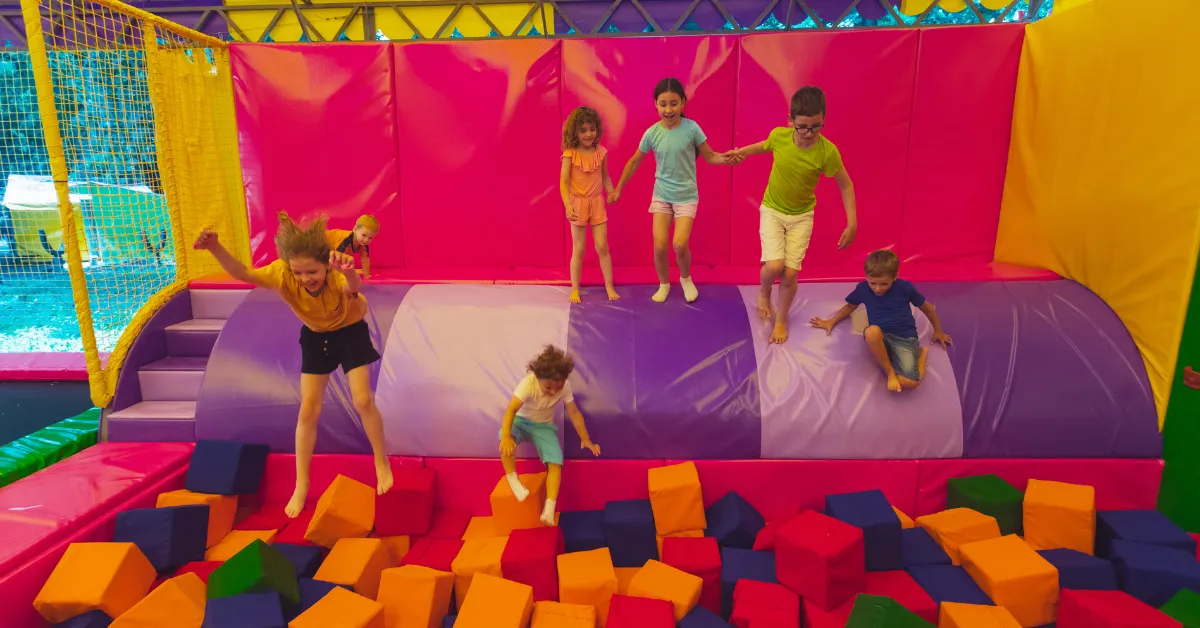
Everything depends on what fills that gap. Boredom with other children, and somewhere to go, leads to play. Boredom alone in an empty room leads back to the screen. If we don’t give children an interesting and worthwhile alternative, limiting smartphones will probably fail or even backfire.
What children need
To grow into healthy, confident adults who get on well with others, children need more than bans. They need space, time and freedom to play, meet up, wander and daydream.
In free play children learn to cooperate, handle risk and emotions, solve problems and discover their own interests. It builds resilience and confidence. Yet today this kind of play takes up very little room in their lives.
Cars dominate the streets. After-school time is filled with extra activities and lessons. Parents are afraid to let children out on their own. And shared spaces are rarely designed with children in mind.
If we want children to depend less on smartphones, the real world has to become an attractive, safe and accessible alternative.
What can be done
- Play clubs in schools and preschools (head teachers, organisations). Sessions after school or at weekends where children play spontaneously. Adults stay nearby and keep an eye on safety, but they don’t join in. All it takes is free time, a safe place and other children.
- Safe spaces on housing estates (local authorities, housing cooperatives). Traffic-calmed zones, Play Street events and small changes such as a basketball hoop or a climbing net make outdoor play an everyday thing again.
- More play at school (head teachers, teachers). Schools can organise breaks, lunchtime and even lessons so there is more movement and more play together.
- Neighbourhood parent networks (parents, organisations). Small groups of local parents arrange to go outside together, take walks or take turns hosting at home. This eases parents’ worries and gives children daily contact with friends.
- A change of mindset (everyone). Play is a basic developmental need, just like sleep, food and learning.
Technology isn’t going away, and it doesn’t need to. What matters is that when the screen goes off, a child has mud, laughter, scraped knees, squabbles and spontaneous games waiting. You can read more about ideas that already work in our articles on Playing Out and Let Grow.